
Introduction Seafood lovers know that freshness is key to a delightful dining experience. Whether you’re buying from a local market or ordering online, selecting the freshest seafood ensures quality, flavor, and safety. This guide will help you make informed choices when purchasing shrimp, lobster, grouper, and red snapper.
How to Identify Fresh Seafood
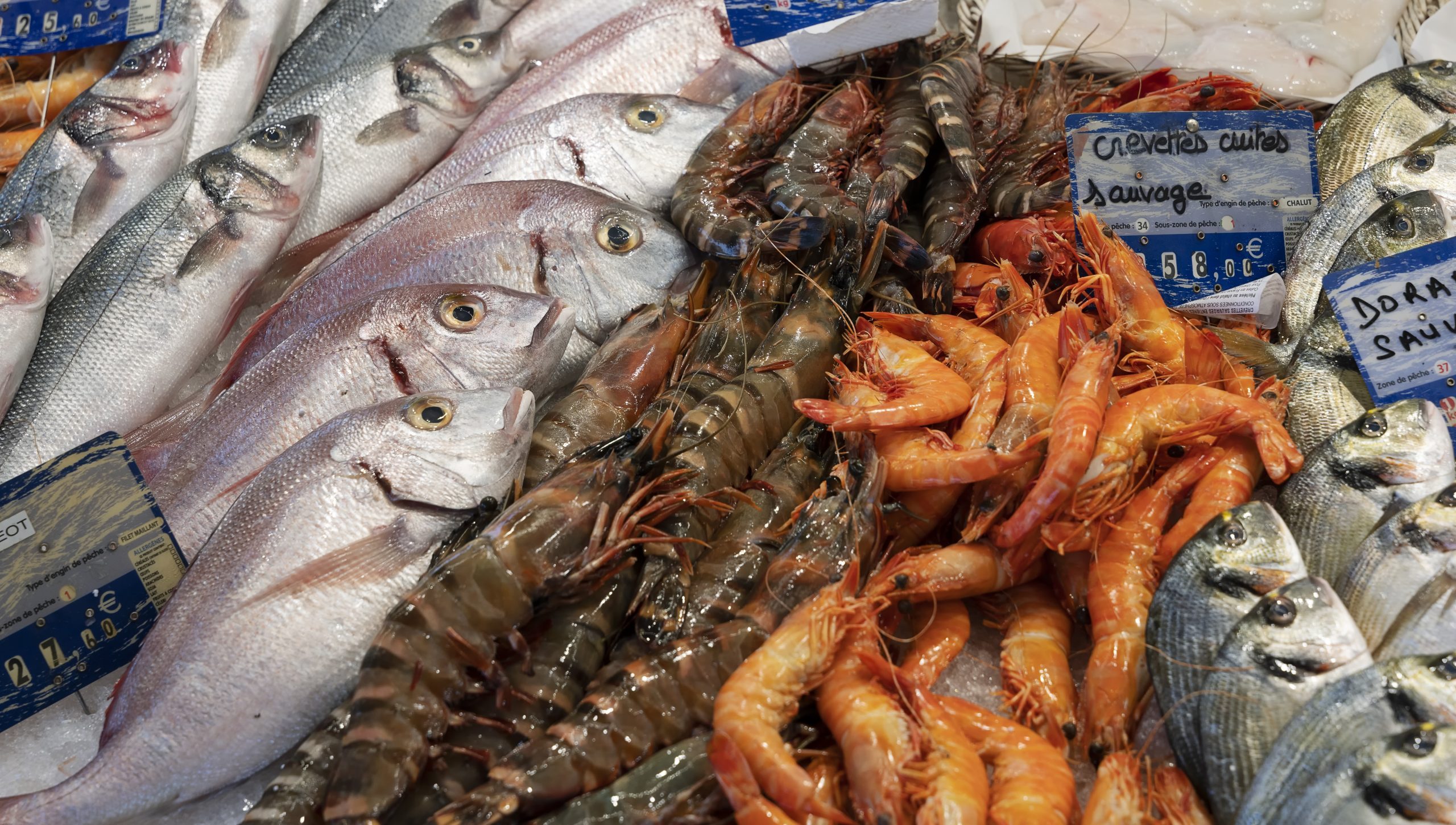
- Shrimp: Look for firm texture, a mild scent, and a translucent appearance. Avoid shrimp with black spots or an ammonia-like odor.
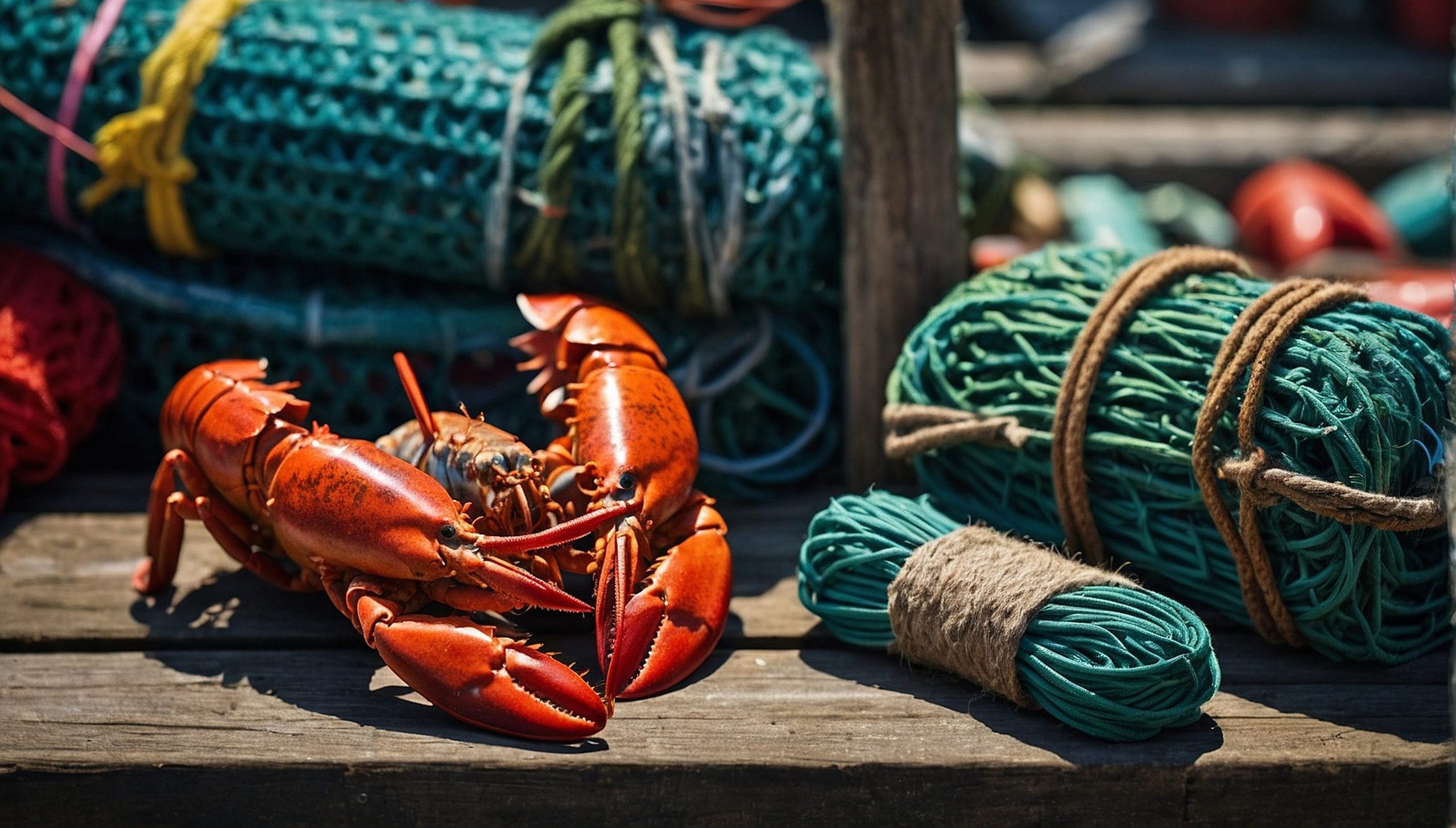
- Lobster: Ensure the shell is hard, and the lobster is lively before cooking. A sluggish lobster could indicate poor health or an aging product.
- Grouper: Check for bright, clear eyes, firm flesh, and a clean, ocean-like smell. Dull eyes or soft flesh can be signs of deterioration.
- Red Snapper: Vibrant red skin, clear eyes, and bright pink gills are indicators of a fresh catch. If the fish has a dull color or sunken eyes, it may not be at its best.
Storage Tips
- Keep seafood in the coldest part of your refrigerator at or below 40°F.
- Store fish on a bed of crushed ice for optimal freshness.
- For longer storage, freeze seafood in vacuum-sealed bags to prevent freezer burn.
- Use fresh seafood within 1-2 days of purchase to ensure peak quality.

2 Replies to “The Ultimate Guide to Choosing Fresh Seafood”
admin
20 Apr 2023Lorem ipsum dolor sit amet, consectetur adipiscing elit amet sit purus tempor dui pharetra elit consequat nibh elit urna interdum.
admin
20 Apr 2023dolor sit amet, consectetur adipiscing elit amet sit purus tempor dui pharetra elit consequat nibh elit urna interdum.